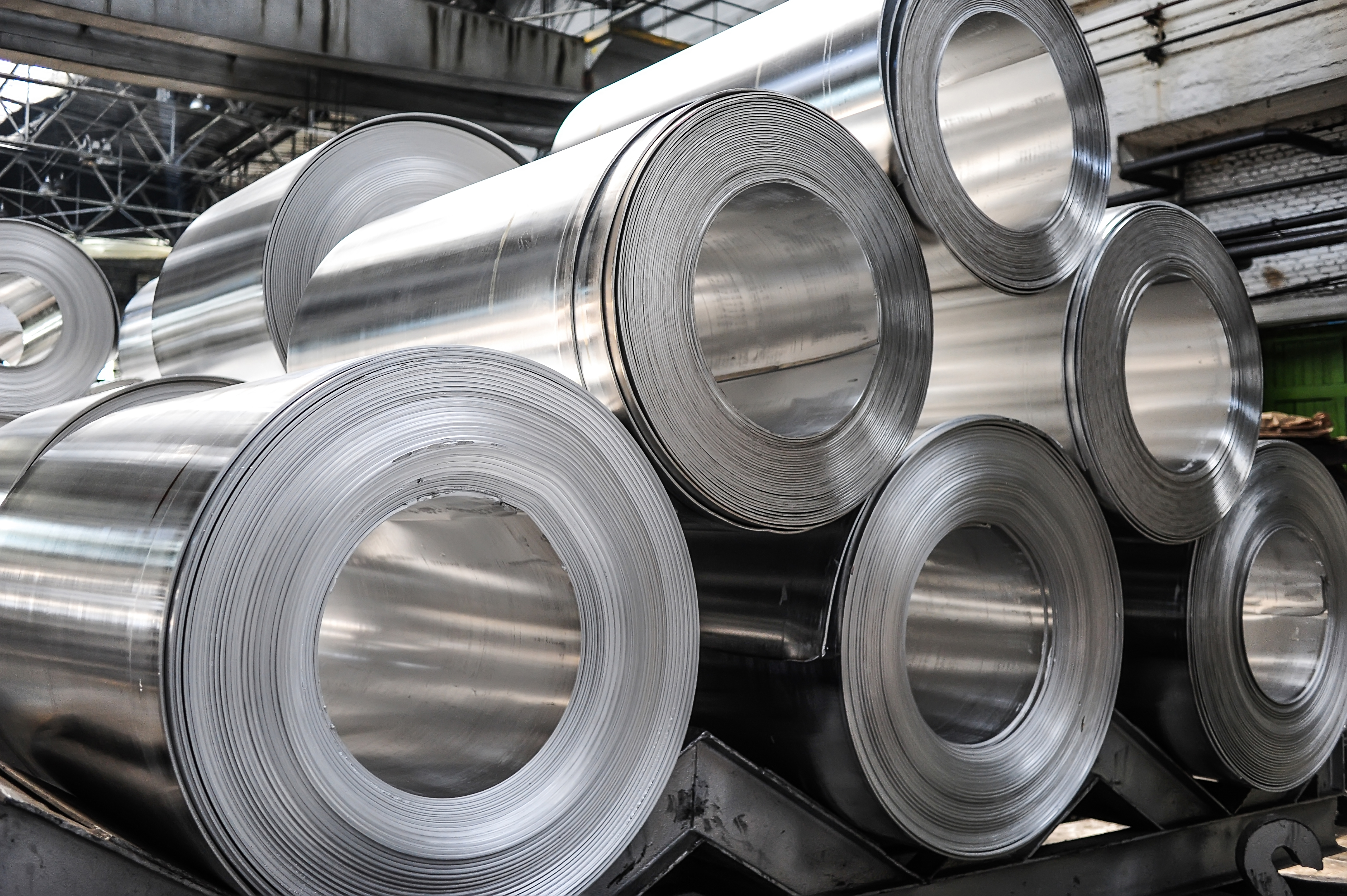
Aluminum is starting to act like oil.
That is the story investors need to understand.
The market is focused on crude, but the more overlooked shock may be in aluminum. Iranian attacks on major Gulf aluminum facilities and disruption around the Strait of Hormuz have pushed aluminum prices sharply higher, with London prices hitting the highest levels since 2022 and some reports showing a 5% to 6% jump in a single session. The Gulf accounts for roughly 9% of global aluminum supply, which is why damage in the UAE and Bahrain matters so much.
That creates a cleaner trade than chasing every war headline.
If the Strait stays constrained and regional output remains impaired, the winners are likely to be producers and downstream names outside the affected zone, plus the ETFs that give investors broader exposure to metals and materials. The smarter move is to own the companies and funds that benefit from tighter supply, not just stare at the metal price and hope.
The Direct Stock Trade
Company: Alcoa (SYM: AA)
Vertically integrated aluminum producer with direct leverage to higher aluminum prices.
If investors want the purest large-cap U.S. aluminum name, Alcoa is still the obvious place to start.
On March 30, AA traded around $62.55 after a sharp move higher. MarketWatch reported Alcoa surged after the attacks on Emirates Global Aluminium and Aluminium Bahrain, with investors betting tighter global supply could support higher realized pricing. That said, Barron’s also noted Alcoa is not a perfect one-way winner because it exports alumina to the Middle East and still has exposure to disruption in that chain. That makes Alcoa the bigger, more liquid aluminum trade — but not necessarily the cleanest one.
Company: Century Aluminum (SYM: CENX)
Higher-beta U.S. aluminum producer with more direct upside if the supply shock stays in place.
Century is the more aggressive stock trade.
On March 30, CENX traded around $52.22, and Barron’s said Wells Fargo preferred Century over Alcoa in this setup because Century is more directly geared to a global aluminum squeeze and stronger cash-flow potential if elevated prices hold. MarketWatch also said Century rose more than 8% after the strikes, and it had already gained meaningfully year to date before the latest escalation. If the thesis is that aluminum stays tight and the market wants the higher-torque name, Century is probably the cleaner stock expression of that view.
That is the key difference.
Alcoa is the bigger, more diversified aluminum name. Century is the more direct supply-shock trade. Both can work. Century just carries more torque if this turns into a prolonged squeeze.
The Broader Materials Route
ETF: iShares U.S. Basic Materials ETF (SYM: IYM)
Sector ETF for investors who want U.S. materials exposure, not just one aluminum stock.
IYM is the calmer route.
BlackRock says the fund seeks to track an index of U.S. basic materials companies, including firms involved in metals, chemicals, and forestry products. It is not an aluminum-only vehicle, which is exactly why it can work for investors who want exposure to the broader materials complex without making the whole thesis ride on one metal and one stock. The fund traded around $172.11 on March 30. Recent fund materials list an expense ratio of about 0.39%.
That trade-off matters.
If aluminum keeps ripping, IYM will not move like Century. But if investors want a steadier way to own inflation-sensitive raw-material businesses during a commodity shock, IYM gives them a cleaner basket and less single-name risk. This is the pick for investors who like the theme but do not want to turn the portfolio into a direct aluminum bet.
The Global Metals Basket
ETF: iShares MSCI Global Metals & Mining Producers ETF (SYM: PICK)
Global metals-and-mining ETF with broader direct exposure to industrial metals producers.
PICK is the more targeted ETF if the real goal is metals exposure.
BlackRock says the fund tracks an index of global companies primarily engaged in the mining, extraction, or production of diversified metals, excluding gold and silver. The fund traded around $53.83 on March 30. Recent materials show an expense ratio of about 0.39%. Third-party holdings data show the portfolio includes names such as BHP, Rio Tinto, Freeport-McMoRan, Nucor, Steel Dynamics, and Alcoa. That gives investors a much more direct link to an industrial-metals squeeze than IYM does.
That is why PICK may be the better ETF for this specific moment.
This is not a pure aluminum ETF either. But it sits much closer to the actual metal-and-mining supply chain than a broad U.S. materials fund. If aluminum prices stay elevated and other industrial metals also tighten on war, shipping, or energy disruptions, PICK gives investors a more direct way to own that pressure.
Bottom line:
AA is the large-cap aluminum heavyweight.
CENX is the higher-beta aluminum squeeze trade.
IYM is the broader U.S. materials basket.
PICK is the more direct global metals ETF.
The real opportunity is not just that aluminum jumped.
It is that the market is finally waking up to how fragile this supply chain can become when Gulf production and shipping are both under pressure.
Up Next: The White-Collar Panic Has Begun
There's a firestorm raging at the heart of America's economy - and no one is sounding the alarm.
Just look at what's happening at Gartner today.
It was once one of our country's most stable and successful companies, staffed by thousands of highly educated analysts with Ivy League degrees.
But now? It's in freefall. It just crashed 60% in a single year.
And it's not alone. The world's most powerful "knowledge" work firms are getting destroyed. Consulting firms. Insurance analytics. Software stocks.
Morningstar. Duolingo. Verisk. Accenture. They're all in freefall. Software app Duolingo just dropped as much as 75% in a year.
In short, the "white-collar economy" is collapsing around us.
Once you see that, you begin to understand that what's coming next is going to destroy the America you grew up in - with huge consequences for your money.
That's the message one of America's best-connected financial insiders is sharing today.
Whitney Tilson, who famously called the Tech Wreck in 2000, has a long history of eerily accurate predictions - CNBC even gave him a nickname he never asked for: "The Prophet."
His appearance on 60 Minutes exposing the 2008 financial crisis even won an Emmy.
But he says what's happening in America today is more dangerous than anything he's seen before.
He's warning millions of Americans could soon be blindsided by a permanent change coming to our country, which will be far more wide-reaching than a stock market crash or banking collapse.
What's more, he's revealing the one place to move your money today before it's too late.
"What's coming to America next is going to sweep away the world we once knew. It's time to adapt - or risk getting left behind."
Found this helpful? Share it with others.
Written by Ian Cooper