Investors May Want to Trade a Potential Conflict with Iran Now
Geopolitical risk is moving markets in real time.
On Friday, February 27, 2026, U.S. officials authorized departures from the U.S. Embassy in Jerusalem for non-essential personnel and families, urging those who choose to leave to do so quickly while commercial flights remain available. That kind of alert doesn’t confirm an imminent strike—but it does signal that Washington is actively preparing for a higher-risk regional posture.
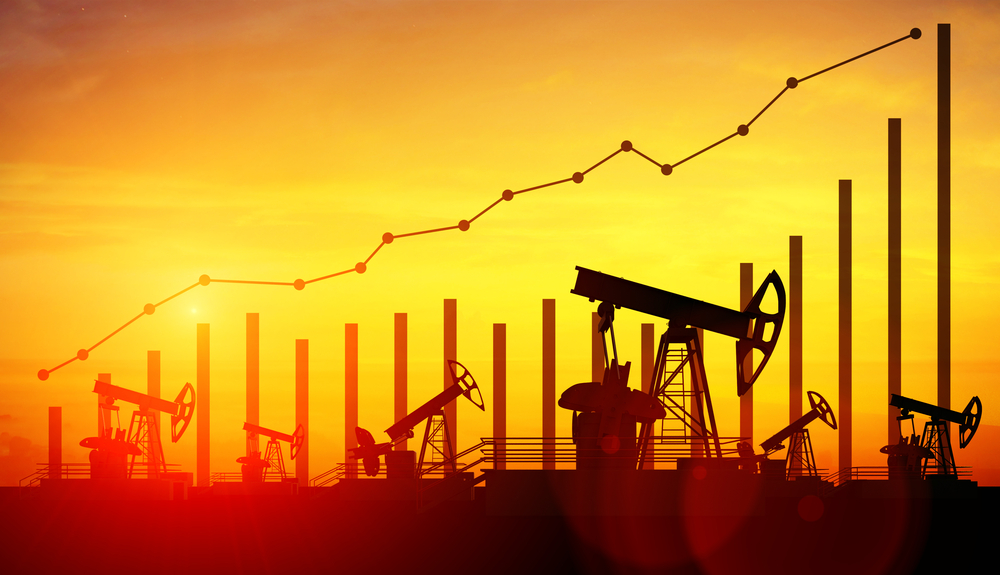
Oil is responding accordingly. Crude surged as traders priced in an Iran-related risk premium, with WTI around $66–$67 and Brent above $72 in Friday trading.
The market’s focus is clear: if tension escalates into military action—or even a sustained period of disruption risk—energy prices can move sharply higher. But history also shows that headline-driven oil spikes can fade quickly if the feared supply disruption doesn’t materialize.
That sets up a classic volatility trade: real upside potential, paired with real whipsaw risk.
Why the Strait of Hormuz matters more than the headlinesIran itself is a key producer, but the market’s real sensitivity is geography. The Strait of Hormuz remains one of the world’s most critical oil chokepoints. The U.S. Energy Information Administration (EIA) estimates that in 2024, oil flows through the strait averaged ~20 million barrels per day, about 20% of global petroleum liquids consumption. The same EIA analysis notes there are very few alternatives to move comparable volumes if the strait is impaired. Even without a “full closure,” markets can reprice risk on:
|
Brownstone Research
How to Be on the Right Side of Trump's Biggest Move Yet
Trump's moves in 2025 created massive winners and losers.
Solar stocks lost $20 billion from a single announcement, while Palantir soared 140% when Trump made AI a national priority.
Now Larry Benedict — who helped his readers profit during Liberation Day's chaos — says Trump's preparing something even bigger.
He calls it Project 2026.
Click here to discover the ONE ticker positioned to capture the gains… and get on the right side before Trump makes his move.
The catalyst: security signals are intensifyingThe embassy departure authorization is only one data point, but it’s a meaningful one because it often reflects internal risk assessments about the near-term threat environment. At the same time, crude prices have climbed on renewed concern that negotiations may be stalling and that the odds of a stronger U.S. response could rise if diplomacy fails. Barron’s also highlighted that oil pushed higher amid uncertainty about a deal and concerns about Middle East supply disruption risk. Markets don’t need certainty to reprice—only probability. A key lesson from June 2025: spikes can be real and still unwindThe most useful framework for trading geopolitical oil is recognizing that the first move is usually probability, not realized disruption. In June 2025, the U.S. conducted airstrikes on Iranian nuclear sites including Fordow, Natanz, and Isfahan—a major escalation that markets watched closely. The EIA noted that around June 2025 tensions, Brent rose sharply in a day even though maritime traffic through Hormuz was not blocked. That pattern matters now: oil can surge on fear, then retrace hard if shipping continues and supply remains largely intact. Scenario playbook: what oil may price nextScenario 1: Limited action, limited disruptionIf military action is contained and shipping continues with modest friction, oil could hold a smaller risk premium but may struggle to sustain an extreme spike. Market behavior: gap higher → volatile chop → partial fade. Scenario 2: Multi-week campaign, elevated incident riskA longer conflict window tends to keep a higher floor under oil because the market prices ongoing risk to shipping, infrastructure, and regional stability—even if flows continue. Market behavior: sustained volatility and a potentially higher trading range. Scenario 3: Meaningful restriction in Hormuz (tail risk)A material impairment of Hormuz throughput is the scenario that can create the most asymmetric upside in crude. Market behavior: disorderly upside moves and broad repricing across energy equities. |
The Tomorrow Investor
The Rockefeller Moment for Rare Earths
While others are focused on the dirt of mining, REalloys (NASDAQ: ALOY) is building the refineries. By owning the first integrated North American pathway from feedstock to finished magnets, they are securing the digital gunpowder of the 21st century.
Read the full REalloys (NASDAQ: ALOY) breakdown
The positioning tools: majors vs. ETFsEnergy exposure can be expressed through integrated majors or through diversified ETFs, depending on the desired volatility profile. Company: Exxon Mobil (SYM: XOM) Company: Chevron (SYM: CVX) For broader exposure, three ETFs map cleanly to three different approaches: ETF: Energy Select Sector SPDR ETF (SYM: XLE) ETF: SPDR S&P Oil & Gas Exploration & Production ETF (SYM: XOP) ETF: iShares Global Energy ETF (SYM: IXC) How they typically behave in a headline-driven oil bid:
The two biggest risks in this trade1) Spike-and-fade whipsawIf the feared disruption doesn’t occur—or if diplomacy reasserts itself—risk premium can compress quickly. That’s exactly why oil can rally hard and still reverse in days. 2) “Good news is priced in” after the first surgeWhen a trade becomes crowded fast, even escalating headlines can produce smaller incremental price gains—while any de-escalation can trigger sharp profit-taking. |
Found this helpful? Share it with others.
Written by Ian Cooper