This Is Why the 1929 Market Crash Could Happen Again
Investors may want to prepare as if it were 1929, 2000, or even 2008.
That’s because today’s market looks eerily familiar.
The Dow Jones, NASDAQ, and S&P 500 are all sitting at or near record highs. Investor optimism is overflowing, sending valuations to levels that simply defy logic. Despite ongoing trade tensions, a government shutdown, rising debt, and cracks forming in regional banks, markets are charging higher — as if nothing could go wrong.
Sound familiar?
It should. We’ve seen this story before — and each time it’s ended the same way.
A Look Back: When Greed Overwhelmed RealityBetween 1923 and 1929, the Dow Jones soared more than 300%. Few were prepared. Fast forward to the dot-com boom of the late 1990s. Everyone was chasing “the next big thing.” Valuations didn’t matter — until they suddenly did. The Nasdaq collapsed nearly 80%, dragging down the broader market. Again, investors were caught off guard. Then came 2008. Real estate mania pushed the Dow Jones to 14,038 on the back of cheap credit and irrational exuberance. Banks levered up. Americans bought homes they couldn’t afford. When the housing bubble burst, the Dow plunged to 6,500. Millions lost jobs, savings, and homes. And now… it’s happening again. Déjà Vu in Today’s MarketThe signs are flashing red. The Shiller P/E ratio, which measures market valuation relative to inflation-adjusted earnings, is sitting near 39.6 — its second-highest level in history. The only time it was higher? Right before the 2000 dot-com crash. Speculation is rampant once more. Investors are piling into anything labeled “AI,” “quantum,” or “next-gen.” Meme stocks are back in play. Valuations are stretching beyond reason. And yet, the average investor remains convinced that “this time is different.” But markets have a way of humbling that kind of thinking. When everyone’s a believer, risk is at its highest. |
Paradigm Press
WHITE HOUSE INSIDER BUCK SEXTON:
“TRUMP’S NEXT MOVE WILL
SHOCK THE WORLD”
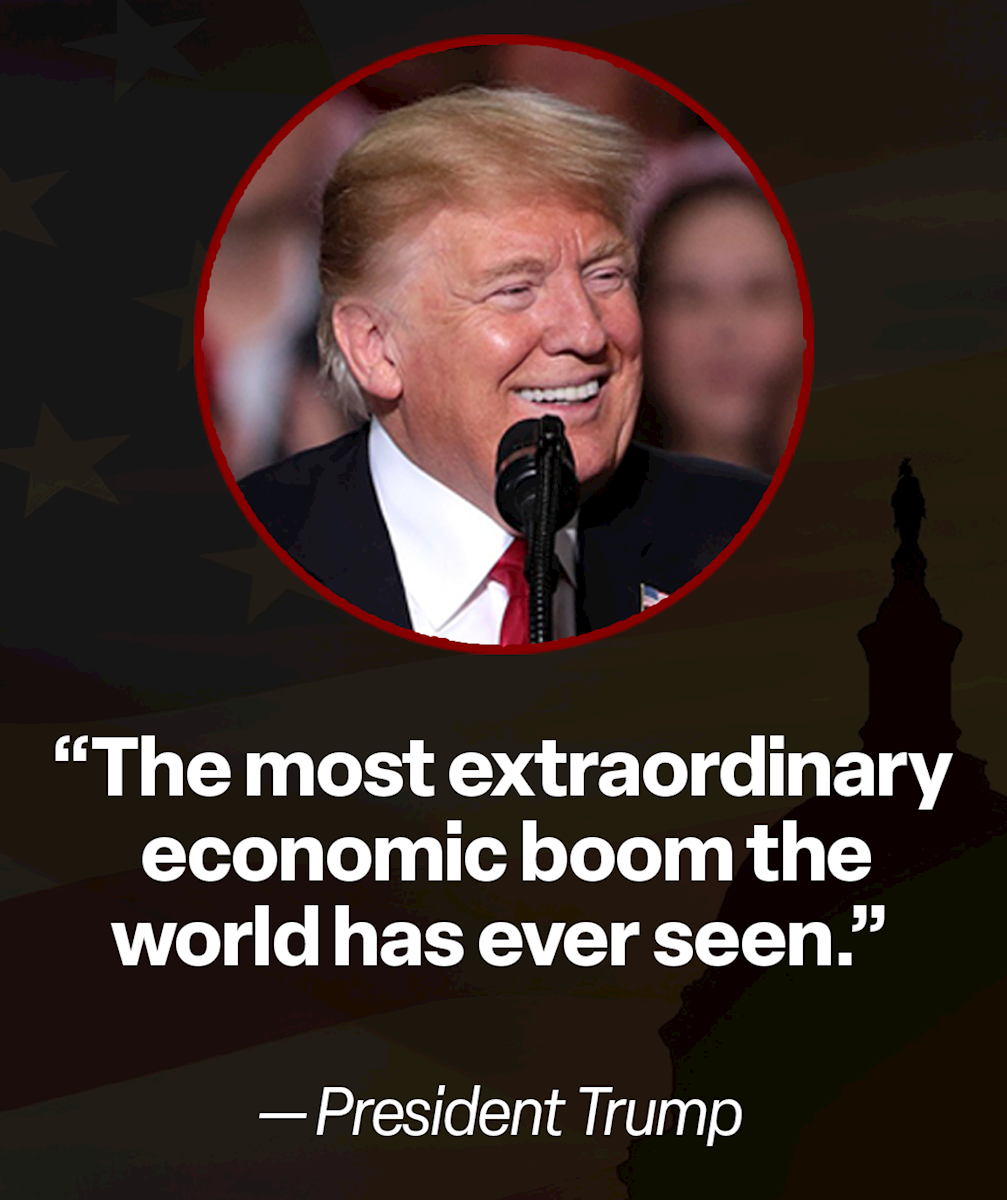
It could single-handedly reshape the global order… dramatically increase U.S. power… and trigger a massive American market boom the likes of which we haven’t seen in 75 years.
How to Protect Yourself Before the Next CrashNo one can time the market perfectly — but you can prepare. One way to hedge against a potential downturn is by betting on volatility. When fear spikes, volatility often explodes higher, and certain ETFs are designed to profit directly from that movement. Here are a few ways to position for protection:
While these instruments can be volatile themselves and are best used for shorter-term hedging, they can provide crucial downside protection when the broader market unravels. Final ThoughtsHistory doesn’t repeat itself perfectly — but it does rhyme. And right now, the rhyme is getting louder. With valuations stretched, optimism overflowing, and warning signs flashing, it’s time to think defensively. The investors who survive the next major crash won’t be the ones chasing every new high — they’ll be the ones who took precautions before the fall. As the old saying goes: “You can’t predict the storm, but you can build a stronger roof.” |
Found this helpful? Share it with others.
Written by Ian Cooper