Key Bullet Points:
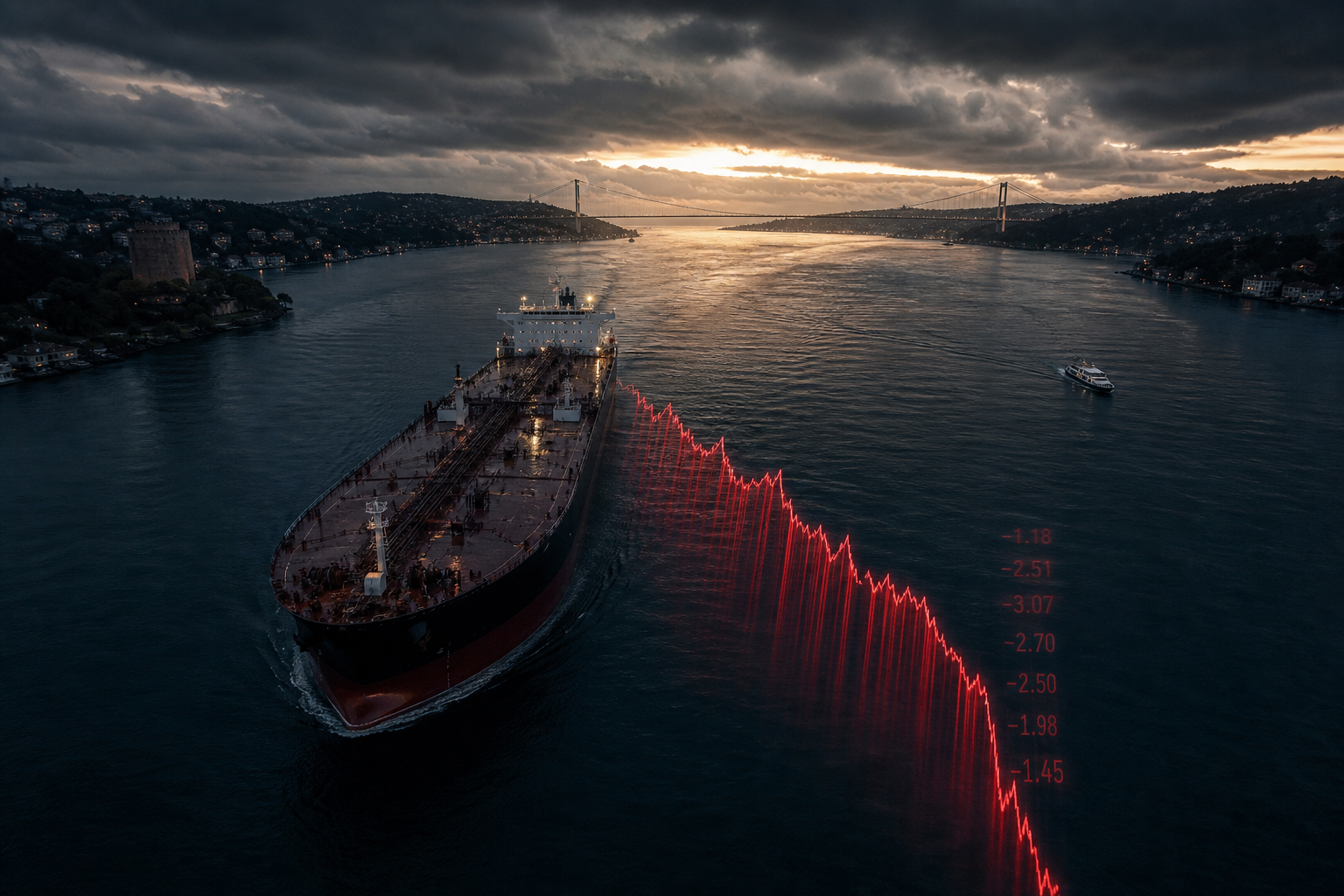
- Brent crude fell as much as 7.3% on Monday to trade near $83.40 after President Trump called off a planned military strike on Iran and said negotiations would begin — a decline of more than $16 per barrel in eight trading sessions from the $100 level reached at the height of the conflict
- Iran's foreign ministry publicly contradicted Trump, stating that no negotiations are taking place with the United States, and Iranian officials denied any agreement over the Strait of Hormuz
- Treasury yields fell across the curve for the first time in weeks: the 10-year down 6 basis points to 4.684%, the 30-year down about 5 basis points to 5.226%, and the 2-year down nearly 4 basis points to 4.254%
- Friday's confirmed close was strong — Dow +276.97 to 52,485.03, S&P 500 +52.09 to 7,489.72, Nasdaq +251.68 (+1.0%) to 25,373.85 — yet the S&P 500 still posted its first July loss since 2014, and the Nasdaq logged its worst month in more than a year
- The US and Japan confirmed a rare coordinated yen-buying intervention. The yen firmed to a three-month high near 155.20, with Treasury Secretary Bessent and Finance Minister Katayama both warning they "will not hesitate" to act again
Sixteen Dollars on a Sentence
For five months, the most important number in the market has not been an earnings figure. It has been the price of Brent crude, and the price of Brent crude has been set by the Strait of Hormuz.
On Monday, President Trump announced he had called off a planned strike against Iran and that talks would begin. Brent fell as much as 7.3%, dropping toward $83. WTI slid below $80. That brings Brent's decline to more than $16 per barrel across eight trading sessions, from roughly $100 at the peak of the conflict.
Equities rallied on it. The Dow rose as much as 640 points intraday, the S&P 500 gained around 1.5% at its best levels, and Treasury yields fell across the curve.
Then Iran's foreign ministry said no negotiations were taking place.
The Denial Is the Story
This is the part that deserves more attention than it received.
Trump said talks would begin Monday, and referenced discussions with Oman over management of the Strait of Hormuz. Iran's foreign ministry contradicted him directly. Iranian officials separately denied that any Hormuz agreement exists.
So the market repriced roughly $16 of crude, moved long-bond yields off a 19-year high, and added several hundred Dow points on the basis of a diplomatic development that one of the two parties says is not occurring.
It may still happen. Trump has moved this market on his word repeatedly, and traders have been rewarded for believing him — when the strait briefly reopened in June for about three weeks, roughly 200 million barrels moved through it. There is a track record behind the credulity.
But investors should be honest about what they own here. The entire July inflation panic was built on oil. The unwinding of that panic is currently built on a claim that has been publicly denied. That is a thin foundation for a repricing this large, and the more dangerous corrections rarely announce themselves in advance.
Why Energy Equities Are the Cleanest Read
Exxon Mobil and its peers were the market's refuge through July, when crude rose more than 20% and the biggest monthly gain since March turned energy into the only sector reliably making money.
That trade reversed hard on Monday. Energy stocks slid as Brent collapsed, and they are now the market's most direct wager on whether Trump or Tehran is describing reality accurately.
The structural picture has not changed as fast as the price. Hormuz transits fell from roughly 33 per day before the July 7 escalation to as few as four. US crude inventories sit at multi-year lows, which means the buffer that would normally absorb a renewed disruption is not there. A single reversal in the diplomacy puts the supply premium straight back into the price.
What changed Monday was the probability the market assigns to that reversal — not the consequence if it happens. Those are very different things, and the defense and infrastructure spending underneath this conflict has its own momentum regardless of any single week's headlines.
What July Actually Did
Friday's session was genuinely good. The Dow added 276.97 points to close at 52,485.03, the S&P 500 rose 52.09 to 7,489.72, and the Nasdaq climbed 251.68, or 1.0%, to 25,373.85.
The monthly numbers tell a different story. The S&P 500 posted its first July loss since 2014, ending a twelve-year winning streak for the month. The Nasdaq recorded its worst month in over a year.
And the strength underneath was extremely narrow. On Friday, the Russell 2000 fell 0.36% while the S&P rose 0.7% and the Nasdaq rose 1.0%. Two stocks accounted for an estimated 124% of the Dow's net gain — meaning everything else, in aggregate, was a drag.
A market where two names carry the index and small caps decline is not a broad recovery. It is a concentrated one wearing a recovery's clothing, which is why the breadth signals worth watching are the ones nobody is reporting.
Two Governments Bought a Currency
Separately, and unusually, the United States and Japan confirmed a coordinated intervention to buy yen and sell dollars, after the yen slid to four-decade lows. The yen firmed to a three-month high near 155.20.
Joint intervention is rare. Japan acting alone is uncommon enough; Washington participating signals that both capitals viewed the yen's slide as a systemic problem rather than a domestic one. Both Bessent and Katayama said explicitly they would not hesitate to intervene again.
Currency markets do not usually require two treasuries to stabilize them. That this one did is a data point about the strain in the global rate structure — the same strain that produced a 19-year high in the 30-year Treasury yield last week, and a Federal Reserve that just split three ways on what to do about it.
What Lands Next
This week is dense. JOLTS lands Tuesday, ADP Wednesday, and July nonfarm payrolls Friday — the report that matters most, following June's disappointing 57,000. Roughly 71% of the S&P 500 has now reported second-quarter results, with another 15% due this week, and consensus has Q2 operating EPS growth at 37% year over year.
AMD, Palantir and SanDisk all report. SanDisk's will be the first pure-play NAND result since the stock fell 53% from its all-time high, which makes it the cleanest test yet of whether the memory shortage story survives contact with actual numbers.
But the variable that decides August is still the one nobody in this market controls. If Iran confirms talks, July's inflation scare becomes a footnote. If Tehran's denial holds and the strait stays contested, everything that rallied Monday gives it back.
Found this helpful? Share it with others.