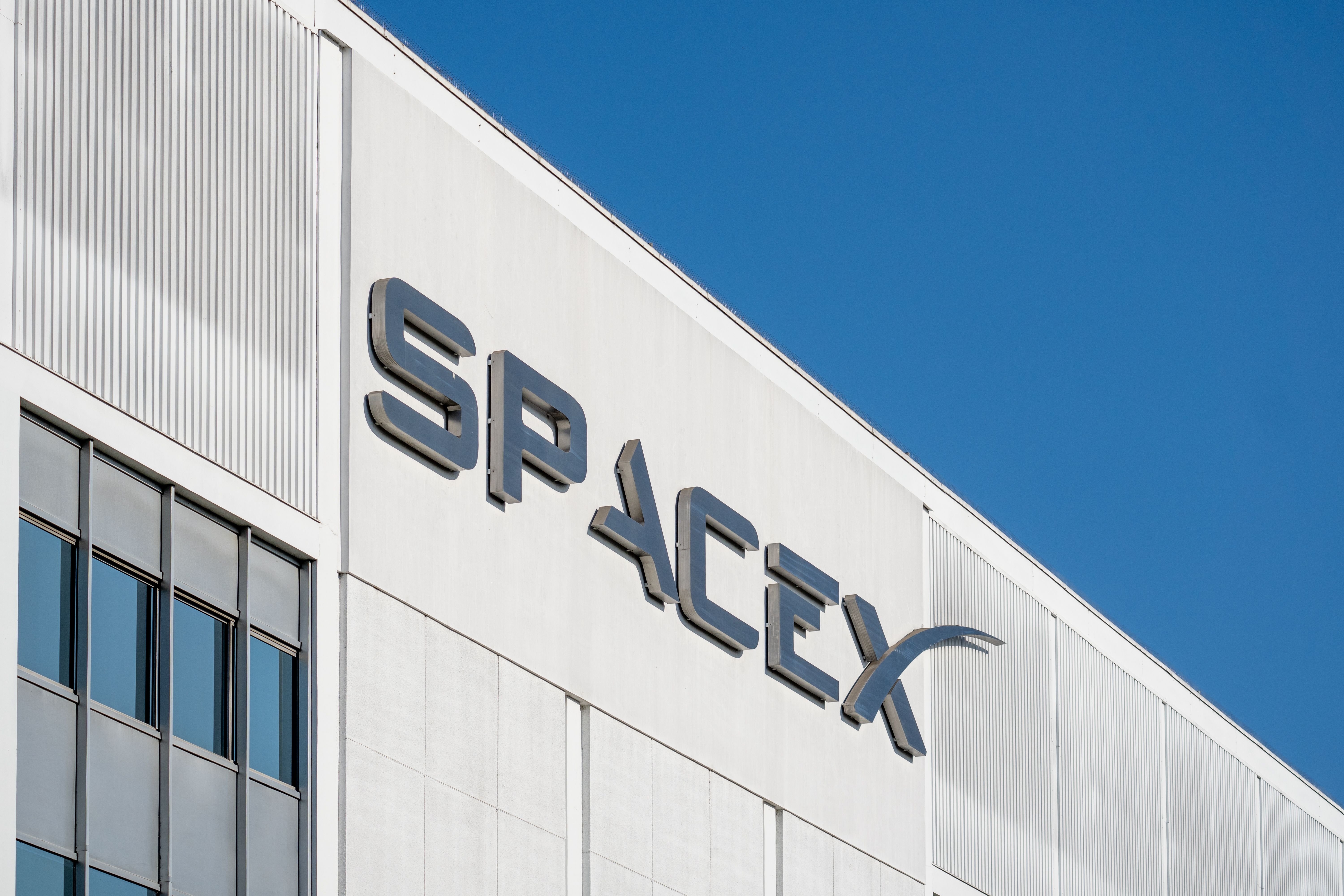
The SpaceX IPO story is suddenly getting loud.
Multiple reports now say SpaceX could file its IPO prospectus as soon as this week, with talk of a deal that could raise $50 billion to $75 billion and value the company somewhere around $1.75 trillion to $1.8 trillion. That would make it one of the biggest offerings in market history. But for investors, the more important point is simpler: there is still no public SpaceX stock to buy today.
That changes the trade.
The cleaner way to play this is not pretending you already have a direct line into SpaceX. It is deciding how much IPO exposure and how much private-tech exposure you actually want. The steadier route runs through IPO-focused ETFs. The hotter, more speculative route runs through listed vehicles that already own private tech names, including SpaceX.
The Cleaner ETF Route
ETF: First Trust US Equity Opportunities ETF (SYM: FPX)
Rules-based ETF built around the largest, most liquid, and best-performing recently public U.S. companies.
FPX is the cleaner “do not make this all about one deal” trade.
First Trust says the fund held 100 stocks as of March 16, 2026, and the latest holdings included names like GE Vernova, AppLovin, Medline, Palantir, Constellation Energy, and AST SpaceMobile. The ETF traded around $165.63 on March 25. This is not a SpaceX proxy today. It is a recently public winners basket that could benefit if big-name IPO enthusiasm keeps spilling into the broader new-issue market.
ETF: Renaissance IPO ETF (SYM: IPO)
Pure-play U.S. IPO ETF focused on newly public stocks before they age into the broad market.
IPO is the purer new-stock basket.
Renaissance says the fund focuses exclusively on the largest, most liquid U.S.-listed newly public companies, with an average stock age of 1.3 years and just 0.1% overlap with the S&P 500 by weight as of January 1, 2026. Holdings as of March 25, 2026 included Kenvue, CoreWeave, Reddit, Arm, Astera Labs, and Medline. The ETF traded around $43.68 on March 25. Again, this does not mean it already owns SpaceX. It means this is one of the more logical baskets for investors who want exposure to the IPO pipeline itself rather than one rumored deal.
That is the key distinction.
FPX is broader and a little sturdier because it does not live only in the newest paper. IPO is cleaner if the real goal is to own the market’s appetite for fresh public names. Neither one is a direct SpaceX trade. Both are far more disciplined than chasing a rumor and hoping for a perfect opening print.
The Hotter Private-Tech Route
ETF: Fundrise Innovation Fund (SYM: VCX)
Public venture fund holding private technology names such as Anthropic, Databricks, OpenAI, and SpaceX.
VCX is where things get much more speculative.
Fundrise says the fund is a NYSE-listed public venture fund designed to hold high-growth private technology businesses. As of February 15, 2026, its top holdings included Anthropic (20.7%), Databricks (17.7%), OpenAI (9.9%), and SpaceX (5.0%). Fundrise also showed sector exposure of 43.8% artificial intelligence and 22.9% data infrastructure. The fund traded around $412.50 on March 25 after an extraordinary spike that has clearly detached the market price from the usual “venture fund” mentality.
That is why VCX is interesting — and dangerous.
This is one of the few public vehicles that already gives investors real exposure to private names people keep talking about, including SpaceX. But when a fund like this goes vertical on headline excitement, the risk shifts. At that point, investors are not just buying holdings. They are buying frenzy. That can work for a while. It can also reverse hard.
The Closed-End Wild Card
Fund: Destiny Tech100 (SYM: DXYZ)
Closed-end fund built to hold late-stage private technology companies, including SpaceX exposure through special-purpose vehicles.
DXYZ is the other high-heat name in this trade.
Destiny says the fund is an exchange-listed portfolio of top venture-backed private technology companies and currently owns 32 companies. Its materials and third-party holdings data show meaningful SpaceX exposure through special-purpose vehicles. As of December 31, 2025, the company reported net asset value of $19.97 per share. Recent market data showed the stock closing around $24.25 on March 23, meaning investors were already paying a premium to that last reported NAV even before any fresh SpaceX IPO excitement gets fully priced in.
That is the whole trade in one sentence.
If SpaceX IPO hype gets even hotter, DXYZ can move because it already has SpaceX-linked exposure in the portfolio. But unlike a plain ETF, a closed-end vehicle can trade at a premium or discount to the value of what it owns. So this is not just a bet on SpaceX. It is also a bet on sentiment staying strong enough to support that premium.
Bottom line:
FPX is the broader IPO-market basket.
IPO is the purer newly public stock ETF.
VCX and DXYZ are the hotter private-tech vehicles with actual SpaceX exposure — and much higher premium risk.
That is the real setup.
If SpaceX files, the whole trade can move. The smarter question is not whether investors want in. It is how much speculation they want attached to the way they get in.
Further Reading: April 1: Elon Creates Brand-New $7 Trillion Market?
Elon Musk just held an all-hands meeting at his closely guarded AI lab.
He told employees...
"We're moving faster than any other company. No one's even close."
Why?
Because in 19 days... Elon built an AI breakthrough that would take most tech CEOs four years to set up.
He brought it online this year...
Elon's going to crank it to full blast. And potentially make ChatGPT, Claude, Gemini, and DeepSeek obsolete...
While unleashing a brand-new 7,000% growth market.
Mark my words... this is bigger than a new chatbot. It's the culmination of everything you've been reading about AI for the last 60 years.
It could be – as mathematical genius I.J. Good put it in 1965 – "the last invention that man need ever make."
But here's the twist.
Neither Tesla nor SpaceX is the best way to play this opportunity.
Instead, you'll want to own the firm that controls over 38,000 patents on the technology (not semiconductors) that will power Elon's career-defining vision.
Found this helpful? Share it with others.
Written by Ian Cooper