Key Bullet Points:
- Stocks staged a sharp rebound on Thursday, with the S&P 500 rising 1.2% to close near 7,506, the Nasdaq 100 surging 2.3%, and the Dow climbing roughly 300 points to test its record high — erasing most of Wednesday's post-Fed selloff in a single session
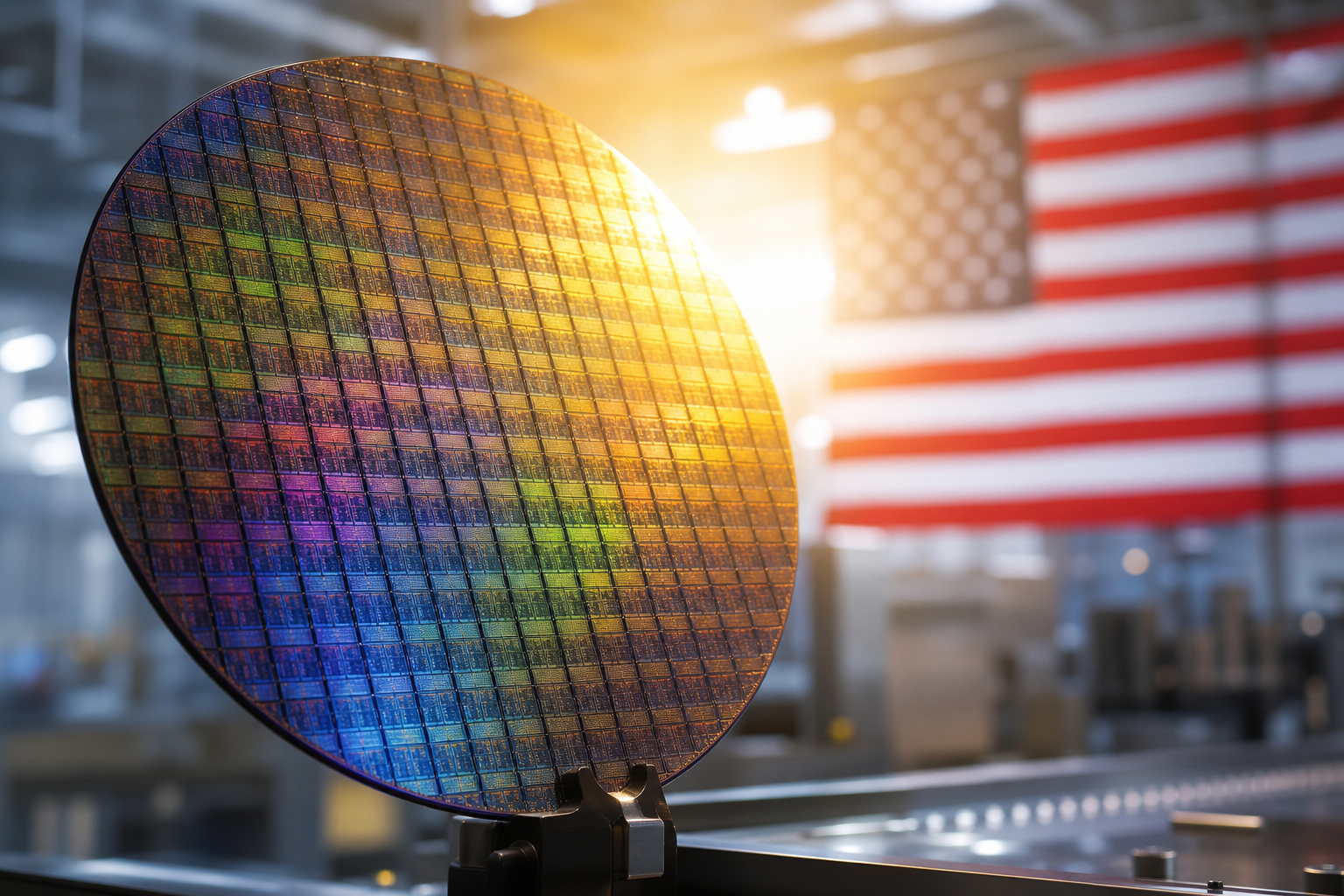
- Intel was the catalyst, rocketing more than 9% after President Trump announced on Truth Social that the chipmaker had reached an agreement with Apple to design and produce semiconductors domestically — a landmark deal for the administration's reshoring agenda
- The U.S.-Iran memorandum of understanding was confirmed as fully signed, with both Trump and Iranian President Pezeshkian executing the document electronically Wednesday evening, officially extending the ceasefire for 60 days and setting the stage for the Strait of Hormuz to reopen
- Oil extended its decline, with Brent crude falling below $78 a barrel for the first time since late February and WTI sliding toward $75, as traders priced in the near-term resumption of Gulf shipping routes
- U.S. markets are closed Friday in observance of Juneteenth; negotiators from the U.S., Iran, Pakistan, and Qatar are set to convene at Switzerland's Bürgenstock resort to begin hammering out the implementation details of the peace agreement
One Day Was All It Took
Twenty-four hours earlier, Wall Street was reeling. The Federal Reserve had just dropped its easing bias, nine FOMC members had penciled in a rate hike, and Kevin Warsh's tight-lipped first press conference left traders with more questions than answers. The Dow fell 507 points. The S&P 500 lost 1.2%. Every sector closed red.
On Thursday, the market shrugged it all off.
The S&P 500 climbed 1.2% to close near 7,506. The Nasdaq 100 surged 2.3%, led by a furious rally in semiconductor stocks. The Dow rose roughly 300 points, pulling back within range of the record close it set just two days earlier. Nine of eleven S&P sectors finished in the green.
The speed of the reversal says something about this market. Investors had already priced in a hawkish Fed. They had already accepted that rate cuts were off the table. What they needed was a reason to buy — and on Thursday morning, they got two.
The Intel Bombshell
The first came before the opening bell. President Trump posted on Truth Social that Apple had agreed to work with Intel to design and build chips in the United States. Intel shares exploded 9% in premarket trading. Marvell Technology jumped 6%. Micron gained 4%. By the time the market opened, the semiconductor complex was on fire.
Neither Apple nor Intel issued formal statements confirming the arrangement, but the broad outline has been known for months. Apple and Intel have been in intense discussions for over a year about using Intel's foundries to produce Apple-designed processors — a deal that would represent the most significant domestic chipmaking partnership since the CHIPS Act was signed into law. Trump framed it as vindication of his reshoring agenda. "I want to help because we need to design and build our chips right here in America," he wrote.
For Intel, the deal is a lifeline. The company has struggled to attract marquee foundry clients as it pivots from chip designer to chip manufacturer. Landing Apple — the world's most valuable company and a firm that has historically relied on Taiwan's TSMC for its silicon — would be a statement that Intel's manufacturing ambitions are real.
The War Is Ending
The second catalyst was confirmation that the U.S.-Iran memorandum of understanding had been fully executed. President Trump signed the document Wednesday evening at the Palace of Versailles, during dinner with French President Emmanuel Macron following the G7 summit. Iranian President Masoud Pezeshkian signed electronically from Tehran and called it "a historic document and a message from a powerful Iran: peace will be achieved in the shadow of mutual respect."
The MoU extends the ceasefire for 60 days, during which Iran will gradually reopen the Strait of Hormuz, clear the mines it laid earlier this year, and begin downblending its stockpile of highly enriched uranium under IAEA supervision. In return, the United States will lift its naval blockade of Iranian ports and issue sanctions waivers enabling Iran to resume oil exports. A proposed $300 billion reconstruction fund, backed by regional partners, is part of the broader framework.
Pakistan's government confirmed Thursday that the deal implies the immediate reopening of the Strait and the cessation of the American blockade.
Oil Keeps Falling
Crude prices reflected the shifting reality. Brent fell below $78 a barrel on Thursday — its lowest level since late February and a far cry from the $126 peak reached during the worst of the conflict. WTI slid toward $75. Chevron was the Dow's biggest decliner, dropping more than 2% as the energy sector absorbed lower price expectations.
The speed of oil's decline has been remarkable. Brent has fallen roughly 35% from its wartime peak. If the Strait reopens on schedule and Iranian crude returns to global markets, analysts expect further downside pressure, potentially pushing prices toward pre-war levels in the $60 range.
Into the Long Weekend
Markets close Friday for Juneteenth, giving investors a three-day weekend to digest a week that delivered a new Fed regime, a signed peace agreement, and a potential reshaping of the global semiconductor supply chain.
While Wall Street is dark, diplomats will be at work. Negotiators from the U.S., Iran, Pakistan, and Qatar are set to gather at Switzerland's Bürgenstock resort — a lakeside venue that has hosted major international summits — to begin the painstaking work of implementing the agreement. The 60-day clock is ticking.
When markets reopen Monday, the questions will be familiar but the context will have changed: Can the ceasefire hold? Will oil fall further? And does the Fed's hawkish turn matter if the war premium evaporates from every asset class?
This week answered some questions and raised new ones. Next week starts the process of finding out which ones matter most.
Found this helpful? Share it with others.